Lunare Home
Grouped products and volume pricing, built in
The problem
Lunare Home sell bedding and home textiles — the kind of catalog where one product exists in many colours, sizes and weights. Two things stood in the way.
First, navigation. Shoppers browsing a colour had no easy way to see the same item in the other options without going back to the collection and hunting for it. The usual fix is to fold everything into one product with dozens of variants, which makes the admin unmanageable and the product page confusing.
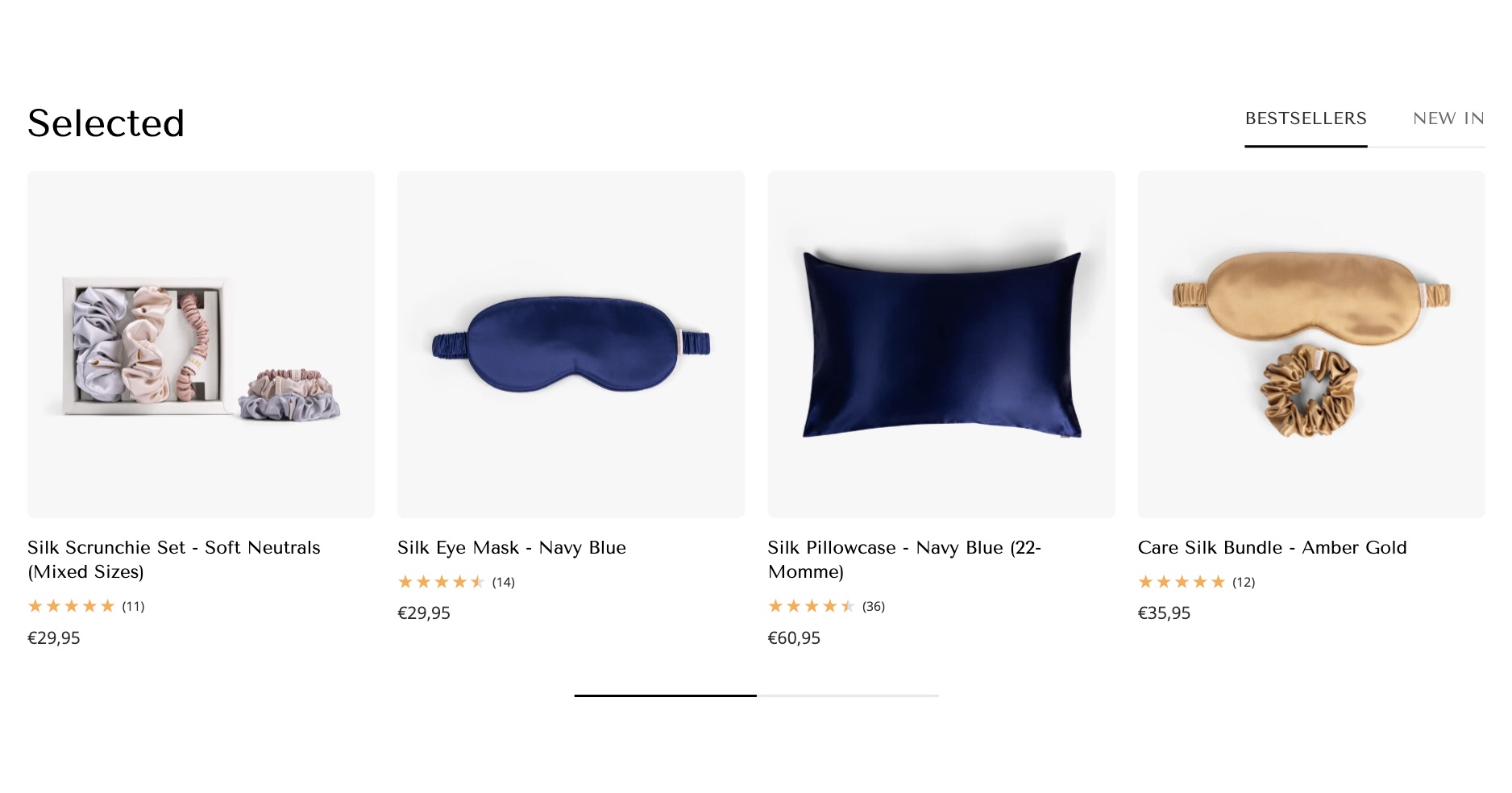
Second, pricing. They wanted customers to get a better price for buying two or four — the standard way to raise average order value on a product people buy in multiples. There are apps that do this, and they work. But each one is a monthly subscription for the life of the store, and each takes over a piece of the cart, which is the last place you want a dependency you don’t control.
What I did
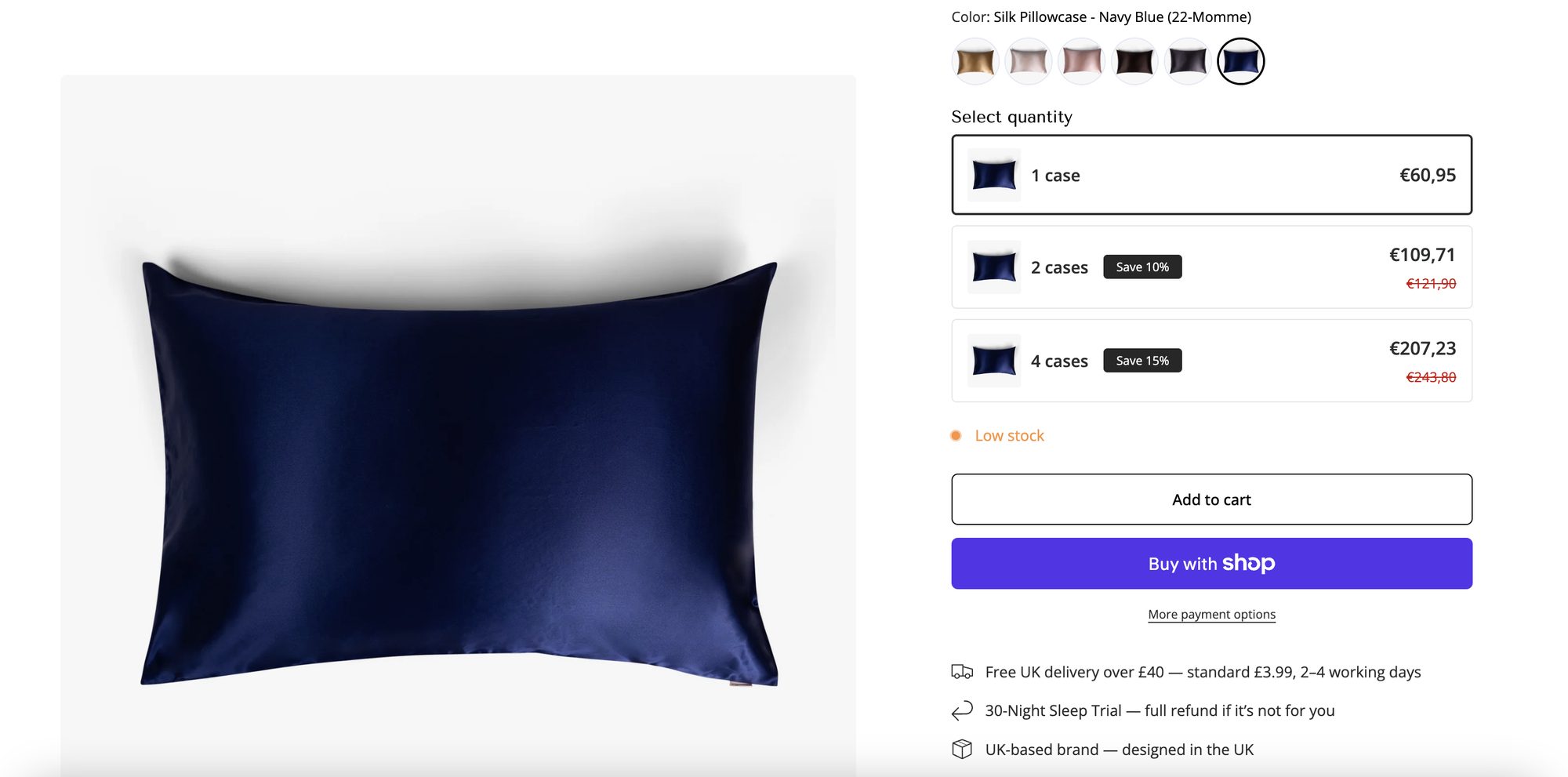
A custom product-grouping system. Related products stay separate in the admin — their own listings, their own inventory, their own SEO — but each one knows which group it belongs to. On the product page the group appears as selectable options, so a customer moves between colours and weights without leaving the page. Built on native Shopify data, no app underneath it.
Quantity-based pricing, live in the cart. Buying more moves the price per unit down a tier, and the saving is shown as it happens rather than appearing as a surprise at checkout. An app could have done this — but at that scope, building it once cost less than paying a subscription indefinitely, and it left the cart entirely under their control.
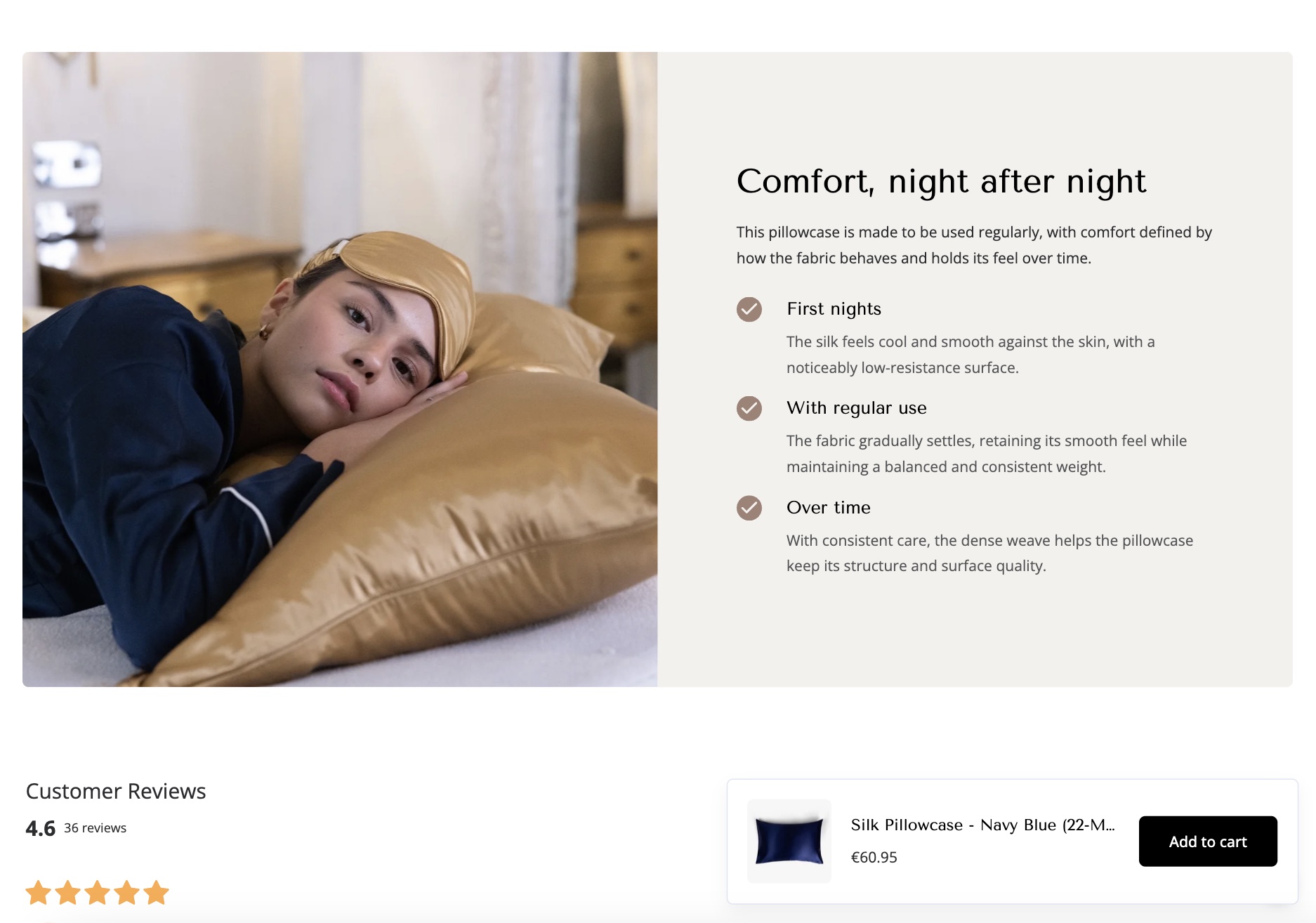
Around those: the full store build, a design intended to look considerably more expensive than the budget behind it, multi-language, upsells, custom sections, catalog and navigation structure, payments and delivery, reviews, email marketing, SEO, analytics and pixels, plus a custom editorial landing page.
What changed
Grouped products that are genuinely browsable, and volume pricing that works — with no monthly app cost sitting behind either of them, and nothing in the cart owned by a third party. Two subscriptions the store will never have to pay.